Board rates
Monthly, due the first. Nothing below is prorated after the fifth.
- Full board, stall $425 / mo
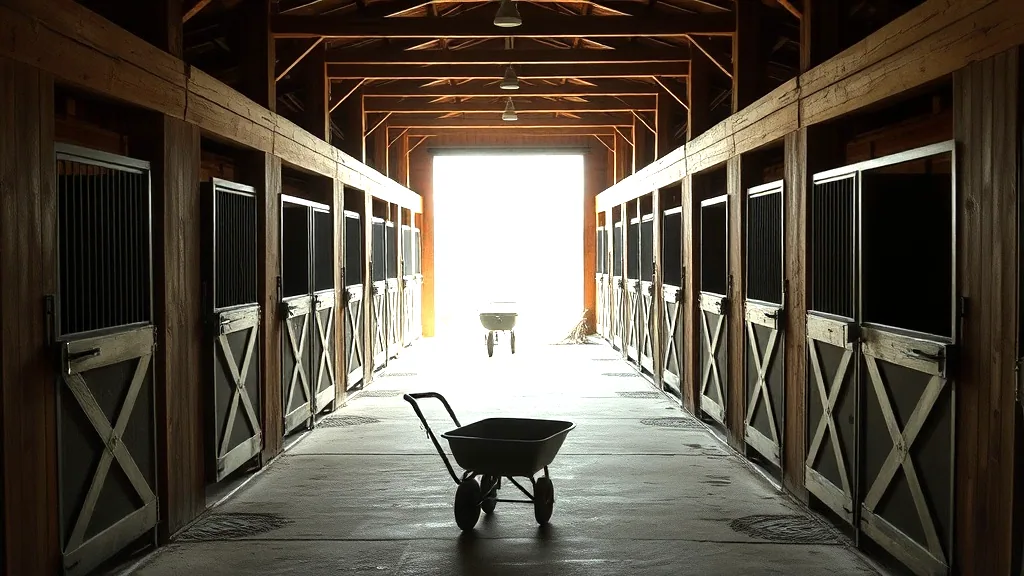
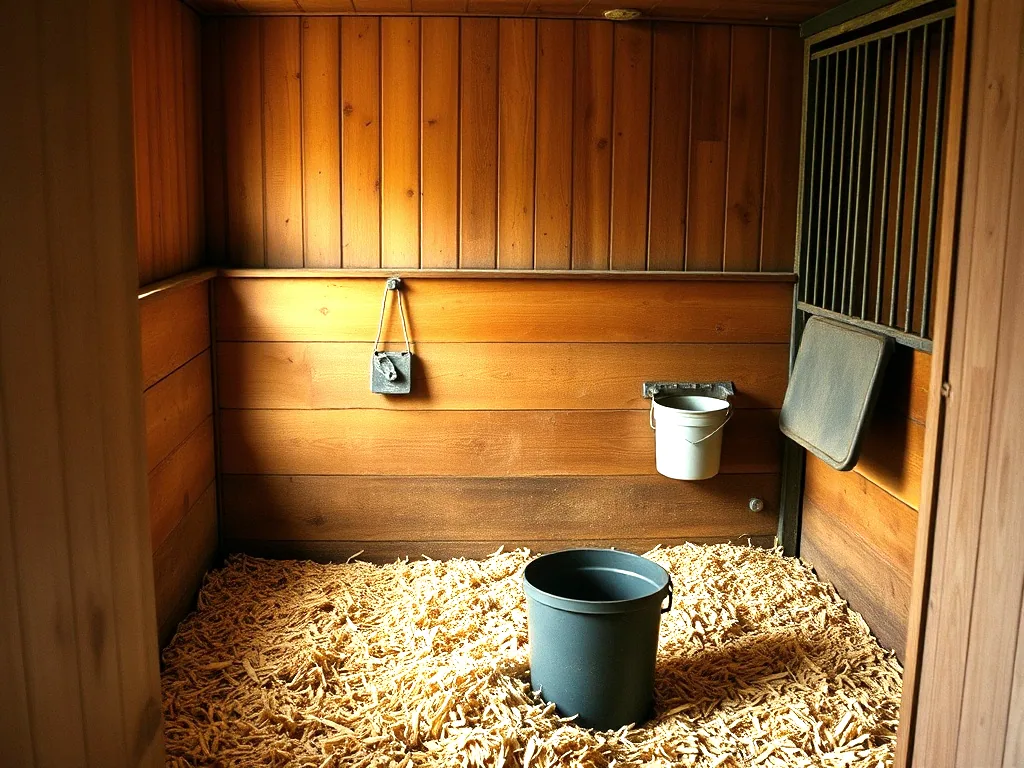
- A 12 by 12 stall bedded in pine shavings, cleaned daily, with daily turnout. Grain twice a day, free choice hay, blanketing on and off in season, and holding for the farrier and the vet at no extra charge.
- Pasture board $225 / mo
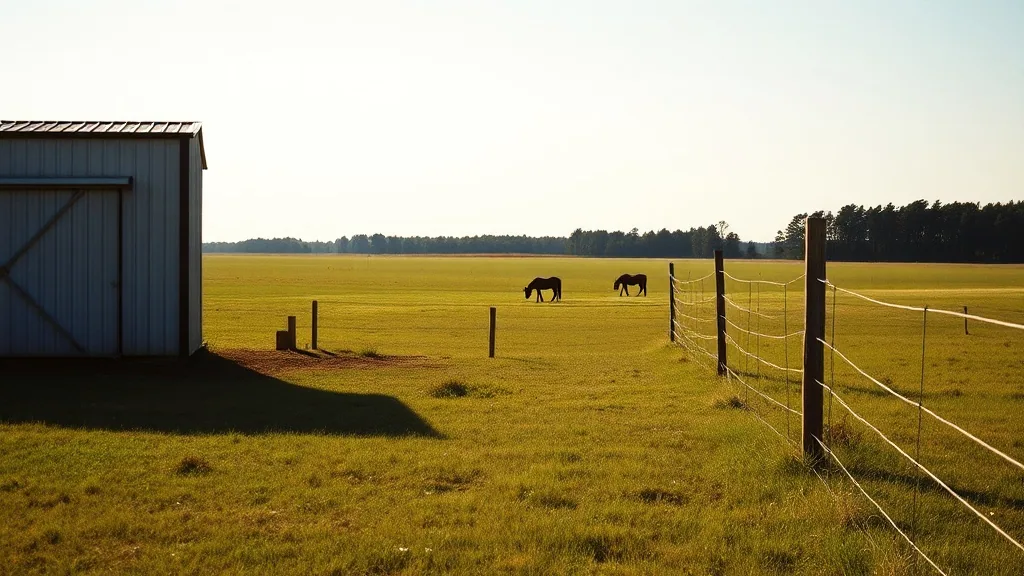
- Grass with a run-in shed, checked morning and night. Grain fed in the shed at the same two times as the barn horses. Hay from November through April, or earlier if the grass goes.
- Stall for a month or less $18 / night
- Layover, a mare in for foaling watch, or a horse on stall rest. Subject to a stall being open.
- Blanket change, extra grain, medication included
- Anything a horse of ours would get, yours gets. Supplements are fed if you bag them by the day. There is no charge for handing a horse to the vet.
Openings as of this week: two stalls and considerable pasture. Stalls turn over in spring and after the first hard freeze, and the list moves quickly both times.
A negative Coggins within twelve months and a current rabies certificate are required before a horse comes off the trailer. Nobody is asking for anything else on paper.
Feed and turnout
The part boarders actually compare barns on.
- Grain twice daily, 7 a.m. and 5 p.m., measured by weight and not by scoop. Your feed if you bring it, ours if you do not.
- Free choice grass hay in the barn, round bales in the pasture from November through April. Hay is put up off this ground and the second cutting stays here.
- Turnout every day the footing allows, in groups of three or four sorted by who gets along. Geldings and mares are kept in separate lots.
- Stalls cleaned every morning, banked and re-bedded, water buckets scrubbed rather than topped off.
- Automatic waterers in both pastures with tank heaters through the winter, checked by hand twice a day anyway.
- Farrier every six weeks on a standing date. You can use ours or your own. Somebody is here to hold either way.
- A 100 by 200 outdoor arena with sand footing dragged weekly, plus a 60 foot round pen. No indoor.
Beginner lessons
Western seat and ground work, ages six and up, on school horses.
This is genuinely for people starting at zero. Half of a first lesson happens on the ground: catching, leading, tying, picking out feet, and learning where to stand so a horse cannot step on you. The riding comes after that, at a walk, in the round pen.
$45 a lesson, or $160 for four.
- One hour, one rider. No group lessons and no waiting your turn.
- Afternoons and Saturday mornings, booked by the month.
- Parents stay and watch. There is a bench in the shade at the round pen.
- Riders progress to the arena and a posting trot when they and the instructor agree they are ready, usually somewhere between the sixth and the tenth lesson.
What to wearLong pants and a boot with a heel. Any heeled boot works and it does not need to be a riding boot. Helmets are here and are required for every rider under eighteen. Do not buy anything before the first lesson.
Who is here at night
The reason to board here rather than somewhere cheaper.
The family lives on the property. The house is a hundred yards from the barn and the pasture gate is visible from the kitchen window. Nobody drives home at six and leaves twenty horses in the dark.
In practice that means a cast horse gets found at nine at night instead of at seven the next morning, a fence broken by a storm gets walked before daylight, and a colic gets caught early enough to matter. It is also why a horse can come in on a Sunday evening.
Boarders have the gate code and can come out any hour. The barn lights are on a switch by the north door.
Come walk it
Nobody should board a horse somewhere they have not stood in.
- Phone
- (816) 555-0159
- Address
- 123 Main St, Excelsior Springs, MO 64024
On Highway 92 between Kearney and Excelsior Springs - Barn hours
- 7 a.m. to 8 p.m. daily
- To look around
- Call first so somebody can walk it with you. Bring the horse's Coggins if you are close to deciding.
- Trailer parking
- Turn in at the second gate. The first one is the house.